


The HRCI Research Hub brings together original studies, workforce polling, reports, and expert analysis, so you can act on what's happening now and prepare for what's next.
The State of HR Featured ReportsRecovery as a Workforce Strategy
Drawing on HRCI research, workforce data, and expert insight, this report examines the workplace impact of substance use disorder and the practical steps HR can take to strengthen culture, manager readiness, benefits, policies, and recovery support.
.png?sfvrsn=19b9ec76_1)
Original research and expert analysis on the issues shaping HR today, from workforce safety and emerging technology to DEI and employee well-being.
From return-to-office decisions and hybrid work to contractors and other non-traditional workers, this HRCI report explores the latest research and how HR can use data to make more informed, evidence-based workplace decisions.
From career paths to culture, this research identifies what actually separates HR professionals who are just getting by from those who are truly fulfilled—and what leaders can do to close that gap and build a more committed team.
This research uncovers where professional development is falling short, from misaligned training priorities to gaps in AI readiness, and what it takes to build a workforce equipped for what's next.
From bullying, political tension to substance use and violence prevention, this research covers workplace safety—what the data reveals, what's at stake, and what you can do to reduce risk and build a more resilient organization.
The State of HR
Based on HRCI’s survey of thousands of HR professionals, the State of HR report examines the issues defining the profession today. From AI and workplace culture to talent, leadership, and career growth, the report reveals how HR teams are adapting to change and preparing for the future. Explore the data, trends, and insights shaping the world of work below.
Download the Full ReportState of HR Spotlight Reports
Half of HR professionals work in environments marked by polarized viewpoints, and 4 in 10 describe their stress as extreme or high. Find out what the data reveals about conflict, mental health, and what it means for your organization.
HR professionals are broadly optimistic about their field — but over 4 in 10 are considering careers outside of it. Explore what's driving both the enthusiasm and the tension, and what it takes to build a team of true HR believers.
71% of HR professionals use AI regularly, yet more than half say implementing new technology is the area they feel least prepared to handle. See where the preparation gap is widest and what needs to change now.
83% of HR professionals believe remote work benefits organizations—but the debate is far from settled. Get the data on where HR stands on flexibility, productivity, and the return-to-office conversation.

More Insights for HR Professionals
Explore the issues shaping HR today and get the data you need to lead with confidence, make informed decisions, and move the profession forward.
Recovery friendly workplaces reduce absenteeism, improve retention, and strengthen workplace culture—yet most organizations haven't made meaningful progress. This HRCI and Fors Marsh research reveals why: stigma, undertrained HR teams, and weak leadership buy-in top the list. Understand where the gaps are and what organizations that get it right do differently.
Earning an HRCI certification builds earning power. Within four years, the median HRCI certificant earns 33% more than they did before getting certified. That's double the salary growth of comparable HR professionals over the same period. See what the data shows about the career and financial impact of HRCI certification.
HR is ready to lead, but is the organization ready to let it? This 2024 HRCI and MindEdge research report surfaces a striking disconnect: while 88% of HR professionals believe HR should drive business strategy, only half say leadership agrees. Add in underfunding, understaffing, and persistent burnout, and the case for rethinking HR's role has never been stronger.
AI is reshaping the workplace, and HR professionals are watching closely. This HRCI and MindEdge survey of HR practitioners reveals how the profession is navigating AI adoption, persistent burnout, rising turnover, and the evolving push and pull of remote work. Find out where your peers stand, and what the data means for the work you do every day.
Browse our complete library of research reports, guides, and frameworks. Whether you're building a business case, navigating a workforce challenge, or staying ahead of what's next, the intelligence you need is here.
From rising absenteeism to safety risks, HRCI research reveals how extreme weather is reshaping workforce management and what HR can do now.
Over three-quarters of HR professionals use AI weekly, but most have had little to no training. Learn how to build real confidence and capability starting today.
Explore how HR can turn AI adoption into a strategic advantage—balancing innovation with ethical responsibility.
This research-backed guide gives HR professionals the data and practical steps to build a recovery-friendly culture that reduces risk and supports your people.
The report explores the realities of managing DEI programs in today’s climate—where values alignment, stakeholder trust, and business performance are all on the line.
This report provides critical insights and actionable strategies for HR leaders to foster a more harmonious and productive work environment.

HRCI webinars go beyond the basics. Each session unpacks the trends, data, and real-world strategies HR professionals need to lead with confidence today and adapt to what's coming next.
News and perspectives on the issues driving the HR profession forward.
Edison Tao, GPHR, is a seasoned human resources practitioner with extensive expertise spanning the biotech,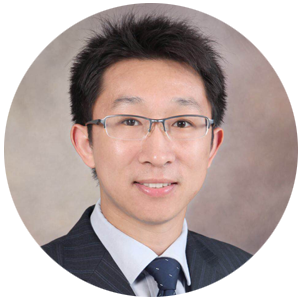 new energy, and auto parts industries. Known for strategic HR planning, Edison excels in driving organizational change and leadership development.
What inspired you to pursue a certification from HRCI?
I have enrolled in the GPHR certification program. During the preparation stage, I extensively studied "International Human Resource Management, 6th Edition," which was recommended by Dr. Jorge Nomdedeu, along with other HRCI preparation materials. This book provides a wealth of knowledge and best practices for conducting business on a global scale.
As the wave of globalization continues to advance, it is crucial for Chinese companies to understand how to effectively manage a global business. HR leaders must study best practices and theories in order to prepare for these challenges, while obtaining an HRCI credential offers a systematic approach within the field of HR.
In your opinion, what is the most significant benefit of obtaining an HRCI certification and how will it help your career?
I believe that HRCI has accumulated a wealth of knowledge worldwide and possesses great insight into workplace-related matters. It consistently stays updated in a prompt manner, which is directly linked to real HR practices. As a result, I am confident that it will better guide HR leaders in adapting to consistent changes.
What advice would you give to those considering this certification?
For Asian HR professionals, the majority of us are non-native English speakers. It is recommended that you become familiar with glossaries and basic concepts as a first step. Additionally, it is important to understand the differences in HR practices, legal regulations, customs, and cultures between your country and the rest of the world when preparing for GPHR certification.
Who or what has been the biggest influence on your HR career and how have they helped shape your professional journey?
I was extremely fortunate to embark on my HR career shortly after China's accession to the WTO. At that time, foreign-invested companies offered numerous opportunities, affording me the chance to learn through practical experience. Within five years of graduating from college, I had already assumed a managerial role. Western companies had a profound impact on me, influencing my management philosophy and knowing many best practices. Additionally, numerous consulting firms, such as Mercer, the early Hay Group, and CCL, provided invaluable assistance by offering highly professional solutions.
Can you share any recent professional achievements or new developments in your HR career that you are particularly proud of?
As Chief Human Resources Officer (CHRO), I have been instrumental in spearheading strategic HR initiatives aimed at supporting a listed company with a workforce of 11,000 employees and over 20 billion RMB in revenue to regain organic growth of 20% annually in the past five years. In close collaboration with top executives, I have formulated and executed HR strategies, crafted new organizational structures to bolster business expansion, redefined competencies across various strategic business units (SBUs), and championed leadership and cultural transformations. It is worth noting that these transformations were implemented simultaneously across the corporate level, SBUs, and subsidiaries. I am immensely proud of my team, who now operate independently at a high level as trusted business partners and consistently earn praise from various business stakeholders. These achievements have been accomplished in a volatile, uncertain, complex, and ambiguous (VUCA) business environment, particularly within the Chinese context from 2018 onward.
What are your future career goals and how do you plan to continue growing and developing as an HR professional?
I am fully aware of the significant impact that AI will have on the entire workplace, regardless of whether the country is developed or developing. Given the potential impact of AI on HR management practices, it is imperative to redesign these practices to embrace AI capabilities, as this represents a new norm.
Consequently, I will be devoting additional time to learning in a more digital and intelligent manner. I will also focus on undertaking activities that add value. As the world becomes increasingly globalized in the AI era, I am keen to collaborate with HRCI to enhance the effectiveness of those who are venturing into the global market.
Looking ahead, what do you see as the biggest challenges and opportunities facing the HR industry in the coming years?
The most significant negative changes in recent years have been an increase in nationalism, a faster rate of global ageing, and conflicts between major economies. However, there have also been positive developments, including the acceleration of AI technology and the potential for humans to gain unprecedented capabilities in productivity, which could help solve global disequilibrium. It is my recommendation that a non-profit organization be established to provide training to people in developing and underprivileged countries on how to utilize AI tools in their daily work.
The HR industry is also undergoing significant changes, with an increasing number of companies hiring part-time employees to fill open positions.