


The HRCI Research Hub brings together original studies, workforce polling, reports, and expert analysis, so you can act on what's happening now and prepare for what's next.
The State of HR Featured ReportsRecovery as a Workforce Strategy
Drawing on HRCI research, workforce data, and expert insight, this report examines the workplace impact of substance use disorder and the practical steps HR can take to strengthen culture, manager readiness, benefits, policies, and recovery support.
.png?sfvrsn=19b9ec76_1)
Original research and expert analysis on the issues shaping HR today, from workforce safety and emerging technology to DEI and employee well-being.
From return-to-office decisions and hybrid work to contractors and other non-traditional workers, this HRCI report explores the latest research and how HR can use data to make more informed, evidence-based workplace decisions.
From career paths to culture, this research identifies what actually separates HR professionals who are just getting by from those who are truly fulfilled—and what leaders can do to close that gap and build a more committed team.
This research uncovers where professional development is falling short, from misaligned training priorities to gaps in AI readiness, and what it takes to build a workforce equipped for what's next.
From bullying, political tension to substance use and violence prevention, this research covers workplace safety—what the data reveals, what's at stake, and what you can do to reduce risk and build a more resilient organization.
The State of HR
Based on HRCI’s survey of thousands of HR professionals, the State of HR report examines the issues defining the profession today. From AI and workplace culture to talent, leadership, and career growth, the report reveals how HR teams are adapting to change and preparing for the future. Explore the data, trends, and insights shaping the world of work below.
Download the Full ReportState of HR Spotlight Reports
Half of HR professionals work in environments marked by polarized viewpoints, and 4 in 10 describe their stress as extreme or high. Find out what the data reveals about conflict, mental health, and what it means for your organization.
HR professionals are broadly optimistic about their field — but over 4 in 10 are considering careers outside of it. Explore what's driving both the enthusiasm and the tension, and what it takes to build a team of true HR believers.
71% of HR professionals use AI regularly, yet more than half say implementing new technology is the area they feel least prepared to handle. See where the preparation gap is widest and what needs to change now.
83% of HR professionals believe remote work benefits organizations—but the debate is far from settled. Get the data on where HR stands on flexibility, productivity, and the return-to-office conversation.

More Insights for HR Professionals
Explore the issues shaping HR today and get the data you need to lead with confidence, make informed decisions, and move the profession forward.
Recovery friendly workplaces reduce absenteeism, improve retention, and strengthen workplace culture—yet most organizations haven't made meaningful progress. This HRCI and Fors Marsh research reveals why: stigma, undertrained HR teams, and weak leadership buy-in top the list. Understand where the gaps are and what organizations that get it right do differently.
Earning an HRCI certification builds earning power. Within four years, the median HRCI certificant earns 33% more than they did before getting certified. That's double the salary growth of comparable HR professionals over the same period. See what the data shows about the career and financial impact of HRCI certification.
HR is ready to lead, but is the organization ready to let it? This 2024 HRCI and MindEdge research report surfaces a striking disconnect: while 88% of HR professionals believe HR should drive business strategy, only half say leadership agrees. Add in underfunding, understaffing, and persistent burnout, and the case for rethinking HR's role has never been stronger.
AI is reshaping the workplace, and HR professionals are watching closely. This HRCI and MindEdge survey of HR practitioners reveals how the profession is navigating AI adoption, persistent burnout, rising turnover, and the evolving push and pull of remote work. Find out where your peers stand, and what the data means for the work you do every day.
Browse our complete library of research reports, guides, and frameworks. Whether you're building a business case, navigating a workforce challenge, or staying ahead of what's next, the intelligence you need is here.
From rising absenteeism to safety risks, HRCI research reveals how extreme weather is reshaping workforce management and what HR can do now.
Over three-quarters of HR professionals use AI weekly, but most have had little to no training. Learn how to build real confidence and capability starting today.
Explore how HR can turn AI adoption into a strategic advantage—balancing innovation with ethical responsibility.
This research-backed guide gives HR professionals the data and practical steps to build a recovery-friendly culture that reduces risk and supports your people.
The report explores the realities of managing DEI programs in today’s climate—where values alignment, stakeholder trust, and business performance are all on the line.
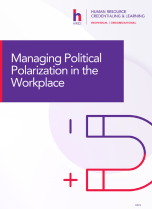
This report provides critical insights and actionable strategies for HR leaders to foster a more harmonious and productive work environment.

HRCI webinars go beyond the basics. Each session unpacks the trends, data, and real-world strategies HR professionals need to lead with confidence today and adapt to what's coming next.
News and perspectives on the issues driving the HR profession forward.
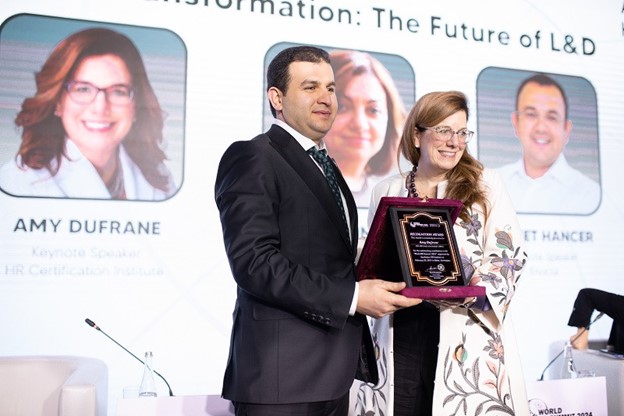
In February, I had the opportunity to travel to Azerbaijan to speak at the World HR Summit. Having never been to Azerbaijan before, I was excited to see a new corner of the world and participate in an event focused on “creating value together.” Organized by the Azerbaijan HR Institute, the World HR Summit took place, for the first time, in Baku’s famed Flame Towers, which punctuate the city’s skyline – a truly breathtaking location.
Though unfamiliar with my surroundings, I found my time in Azerbaijan rewarding, having the chance to experience the country and learn about its culture and customs, geopolitical relationships, and primary industries. This was further enhanced by my time at the event, where I was in excellent company, one of 15 speakers on a roster that also included the summit’s de facto host, Dave Ulrich, and Berna Oztinaz, president of the European Association for People Management (EAPM), along with representatives from Amazon, Deloitte, LinkedIn, the United Nations Global Compact, and more.
Over the course of a single day, my fellow speakers and I dug into pressing issues impacting HR professionals. We looked at global trends and challenges, explored the future of learning and development through the lens of digital transformation, and considered the role of technology in a packed room of more than 500 participants. The day ended with the World HR Excellence Awards, which recognized the teams and strategies helping to advance the discipline. It was a whirlwind trip – in the most phenomenal way.
Now that I’ve set the stage, let’s talk about the biggest lesson I learned in my time in Azerbaijan: The world is hungry for HR. And that’s because this country represents global development. Though Azerbaijan is home to more than 10 million people, many of us might be hard-pressed to place accurately on a map. Likewise, it retains a strong traditional culture as it absorbs Western influences. Ancient architectural treasures sit alongside the modern Baku skyline I mentioned earlier. Its state-funded media broadcasts and publishes in multiple languages. The country is a powerhouse in chess and hosts Formula One races. It also boasts the largest agricultural basin in the region, with two-thirds of its land rich in oil and natural gas.
Azerbaijan is a nation on the move, and like any organization attempting to scale, it needs HR to help line the path and guide the way. And Azerbaijan isn’t the only country in this area that’s seeing growth. In fact, from the World HR Summit and the conversations I had and sessions I attended, it was clear that Azerbaijan is a case study, and others have taken note, flocking to this event to learn and connect with like-minded HR professionals.
I appreciate this hunger for HR. I find it reflective of HR’s value—a value that we create together by partnering, networking, and sharing knowledge. We reinforce this value by opening our minds to new experiences and prioritizing learning for ourselves and the teams we support wherever we find ourselves.
Learn more about HRCI’s international and global strategic certification for individuals and HRSI’s organizational certifications aligned with global standards.